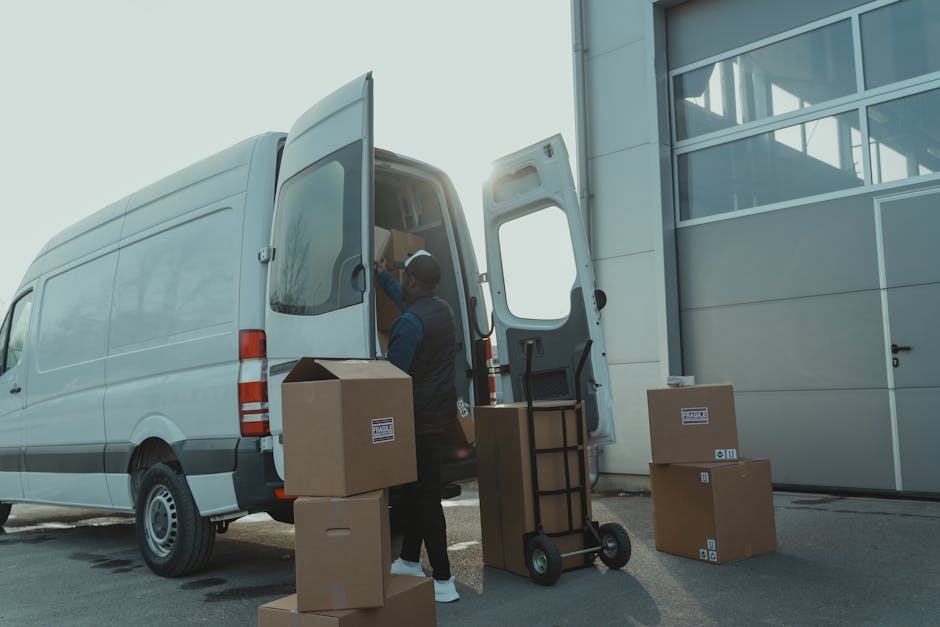
Sutton station flat moves man with van access advice
Moving out of a flat near Sutton station can be straightforward, or it can turn into a fiddly little puzzle before you've even lifted a box. Tight streets, short parking windows, shared entrances, awkward stairwells, and a van that needs just the right stopping point... it all matters. That's exactly why Sutton station flat moves man with van access advice is worth reading properly before moving day. If you plan well, a man with a van service can be an efficient, cost-conscious way to move furniture, white goods, and boxes without the stress that often comes with larger removal crews.
In this guide, you'll find practical advice on access, vehicle choice, loading, timing, and the small details that make a big difference. We'll also cover common mistakes, a realistic checklist, and when a man with van option makes the most sense. No fluff. Just useful, local-minded guidance you can actually use.
Contents
- Why Sutton station flat moves man with van access advice Matters
- How Sutton station flat moves man with van access advice Works
- Key Benefits and Practical Advantages
- Who This Is For and When It Makes Sense
- Step-by-Step Guidance
- Expert Tips for Better Results
- Common Mistakes to Avoid
- Tools, Resources and Recommendations
- Law, Compliance, Standards, or Best Practice
- Options, Methods, or Comparison Table
- Case Study or Real-World Example
- Practical Checklist
- Conclusion
- Frequently Asked Questions
Why Sutton station flat moves man with van access advice Matters
Access is the difference between a calm move and a day full of delay. Around station areas, you often deal with narrow approaches, pedestrian flow, busier kerbsides, restricted stopping, and flats that were never designed with modern removals in mind. Even if your belongings are modest, the practical route from the flat to the van can be the trickiest part.
To be fair, many people assume moving a one- or two-bedroom flat is simple because there's "less stuff". But if the sofa has to be angled down a staircase, or if the van can't legally or safely stop close enough, that small move suddenly becomes much larger. Good access planning protects your time, your furniture, and your back. It also helps the mover judge whether a standard moving van is enough or whether a bigger vehicle, additional labour, or a different booking approach is needed.
There's also a trust angle. A good moving plan reduces the chance of confusion on the day. You know where the van can wait, who is carrying what, and how long the job is likely to take. That clarity matters, especially when you're moving around a busy transport hub where minutes can disappear fast.
Expert summary: The better the access plan, the smoother the move. Around Sutton station, "close enough to park" is not a small detail; it is usually the central detail.
How Sutton station flat moves man with van access advice Works
The basic idea is simple: you match the move to the property access, the street conditions, and the load size. A man with a van service is usually ideal for flat moves where speed, flexibility, and direct loading matter more than moving the contents of a whole house in one trip.
In practice, the process usually looks like this:
- Assess the flat access. Check floor level, lift availability, corridor widths, stair turns, door sizes, and whether there is room to manoeuvre large furniture.
- Check vehicle access. Identify where a van can safely stop, whether there are time restrictions, and how far the lift or stairwell is from the loading point.
- Estimate the volume. Count large items, packed boxes, and fragile belongings so the mover can suggest the right vehicle and crew size.
- Plan loading order. Heavy or awkward items should go in first, with fragile items secured so they don't shift around.
- Agree timings. Flat moves near stations often work best outside the morning rush or during quieter windows.
- Protect the building. Use covers, trolleys, and sensible handling to avoid scuffs on walls, doors, and communal floors.
The access side is where the real judgement happens. If your building has no lift and you're on the third or fourth floor, that changes the job completely. If there is a lift but it's narrow, you may still need to dismantle bed frames or table legs. If the van cannot park nearby, carry distance becomes part of the move time. Simple really, but easy to underestimate.
That is why a clear conversation before move day is worth its weight in tea and sanity. You want the mover to understand not only what is being moved, but how it will physically travel from flat to vehicle.
Key Benefits and Practical Advantages
A well-planned man with van move near Sutton station offers a few very real advantages.
- Flexibility: Better for flats with unpredictable access, narrow streets, or limited parking windows.
- Lower complexity: You are not paying for a huge vehicle or a large team when a smaller, focused service will do.
- Faster loading for smaller moves: Ideal if most items are boxed and ready to go.
- More direct handling: Often fewer handovers, which can reduce damage risk.
- Better local fit: Station-area moves often need a service that can adapt quickly to changing access conditions.
There's another benefit that people notice only after the move is underway: peace of mind. When the access plan is realistic, the whole day feels less rushed. You're not standing in a hallway wondering if the van has parked ten minutes too far away. You're not watching a sofa get stuck on a landing and thinking, "well, this is awkward."
If you also need box packing support, it can help to combine the move with packing and unpacking services. That's especially useful for busy professionals, tenants working to a deadline, or anyone who simply doesn't want their Saturday swallowed by tape, bubble wrap, and cardboard dust.
Who This Is For and When It Makes Sense
This kind of move makes sense for a wide range of people, but especially for anyone leaving or arriving at a flat with limited access near Sutton station.
You may be a good fit if you are:
- moving from a studio, one-bed, or two-bed flat
- working to a tenancy deadline and need a quick, efficient move
- carrying a mix of boxes, small furniture, and a few awkward pieces
- dealing with stairs, a small lift, or narrow communal hallways
- trying to avoid the expense of a full-scale removal crew
- moving during a busy period where parking and timing matter more than usual
It can also suit people who have one or two bulky pieces rather than a full household. For example, a bed, a wardrobe, a desk, and several boxes may be enough to justify a man and van arrangement without needing anything more complicated.
On the other hand, if you have large wardrobes that cannot be dismantled, multiple flights of stairs, or a full family home to clear, you may be better served by broader removal services. That is not overkill; it is just the right tool for the job. Truth be told, choosing the wrong scale of service is one of the easiest ways to create stress for yourself.
Step-by-Step Guidance
If you want the move to feel organised rather than improvised, follow this sequence.
1. Walk the access route before booking
Stand at your flat door and trace the route to where a van would stop. Notice the door width, stair turns, lift size, ceiling height, kerb height, and any awkward corners. If you've ever watched a sofa bump against a stair rail at exactly the wrong angle, you know why this matters.
2. Measure the awkward items
Length, width, and height matter for beds, sofas, bookcases, and dining tables. A two-minute measurement can save a very long five-minute struggle later. If you're unsure, note whether items can be dismantled; that alone can change the moving plan.
3. Check parking and stopping points
Near a station, the van may need to wait a little further away than you'd like. That affects carrying distance, time, and the number of hands needed. If the street is tight, keep an eye out for alternative stopping spots that still allow safe loading.
4. Separate essentials from bulk items
Create a small "first out, first in" bag with chargers, documents, kettle items, toiletries, and the kettle itself. In our experience, this tiny bit of planning saves far more frustration than people expect. Nobody enjoys searching for phone chargers in a box labelled "misc".
5. Decide what needs dismantling
If a bed frame, table, or wardrobe can be taken apart, do that before move day or book enough time for it. This is often the difference between a smooth stair carry and a near-impossible angle through a tight landing.
6. Confirm timing and access details
Tell the mover about lifts, entry codes, porter arrangements, service yards, and any time-sensitive restrictions. Be precise. A vague "there's parking nearby" is not that helpful, unfortunately.
7. Pack for secure loading
Use sturdy boxes, keep weight sensible, and avoid overfilled bags that burst when lifted. Heavy items should sit low and stable in the van, with softer items used to pad gaps.
8. Keep the move route clear
On the day, keep hallways, doorways, and stair landings clear. A clear route speeds everything up and reduces the chance of damage. Small thing, big payoff.
Expert Tips for Better Results
Here's where the move gets noticeably easier.
- Book a quieter time slot. Early morning or later in the day can be easier around transport-heavy areas, though exact timing depends on local traffic and building rules.
- Use colour-coded labels. Simple labels like Kitchen, Bedroom, Fragile, and Open First help load and unload in a more sensible order.
- Protect corners and floor paths. Even a basic cover or blanket can prevent scraped paintwork in a narrow stairwell.
- Disassemble before panic sets in. Do the fiddly stuff the night before, not five minutes before the van arrives. Better for everyone.
- Tell the truth about volume. People often undercount boxes. Then they wonder why the van looks smaller than the mountain of stuff on the pavement.
- Keep drinks and snacks handy. Sounds minor, but a short break can keep the whole job calm and civilised.
If you want to understand service standards and how the company handles practical expectations, the pages on about us and insurance and safety are worth a look. They help build confidence before you commit, especially if this is your first proper flat move.
Also, and this is a small thing but it helps: take a photo of any pre-existing scuffs or fragile areas in the flat. It keeps the handover calmer if anything needs a quick reference later.
Common Mistakes to Avoid
Most moving headaches come from the same few oversights.
- Assuming the van can park right outside. Near a station, that may simply not be realistic.
- Ignoring stair shape and landing size. A lift might help, but tight turns can still block larger furniture.
- Not checking item dimensions. A sofa that "looks fine" in the lounge can be a completely different story on the stairwell.
- Packing too late. Last-minute packing usually means overstuffed boxes and missing essentials.
- Underestimating loading time. Carry distance, floor level, and parking access can all add minutes.
- Booking a service that's too small. Sometimes the cheaper quote becomes the expensive option once extra time or a second trip is needed.
One very common slip is forgetting building rules. Some flats have restrictions on moving times, lift booking, or use of protective coverings. If you do not check in advance, the day can get annoyingly stop-start. Not fun, and oddly the kettle always ends up in the most inaccessible box.
Tools, Resources and Recommendations
You do not need specialist equipment for every move, but a few practical items make a real difference.
| Item | Why it helps | Best for |
|---|---|---|
| Strong boxes | Keep items organised and easier to stack | Books, kitchenware, documents |
| Furniture blankets | Protect corners and surfaces during loading | Sofas, tables, wardrobes |
| Ratchet straps | Stop items sliding in transit | Large furniture and mixed loads |
| Labels and tape | Speed up unpacking and reduce confusion | Every box, really |
| Step stool or trolley | Helps with reach and carrying heavier items | Flat moves with stairs or longer carries |
As a recommendation, use a service that can explain how it handles loading, access, and safety in plain English. That's a strong sign they understand real moves rather than just taking bookings. If you're comparing options, the broader man with a van and man with van removal pages can help you understand how the service is framed, while pricing and quotes is useful when you're checking what affects the total cost.
If sustainability matters to you, the move can also be a good moment to sort out reusable packing materials and unnecessary items. That links neatly with the site's recycling and sustainability information, which is a sensible read if you're trying to keep waste down while moving.
Law, Compliance, Standards, or Best Practice
Flat moves around Sutton station usually don't require the reader to become a legal expert, thankfully. But a sensible move still needs to respect everyday UK best practice around road safety, building access, property care, and insurance.
In plain terms, that means:
- parking only where it is lawful and safe to do so
- following building access rules, lift booking arrangements, and shared-area etiquette
- handling goods carefully to reduce damage risk
- checking that the mover carries suitable insurance and follows reasonable safety procedures
- being clear about fragile items, dismantling needs, and access limitations
If you're using a professional service, it is sensible to ask how they manage damage prevention, lifting technique, and public liability considerations in practice. The goal isn't to interrogate anyone. It's just a fair, normal bit of due diligence. A trustworthy mover should be able to explain this without sounding evasive.
Best practice also includes honesty from both sides. You describe the move accurately; they assess it properly. That's the arrangement. Simple, but important.
Options, Methods, or Comparison Table
Not every flat move needs the same setup. Here's a quick comparison that may help.
| Option | Best For | Strengths | Watch Outs |
|---|---|---|---|
| Man with a van | Small to medium flat moves | Flexible, efficient, often cost-conscious | May need careful access planning for stairs or parking |
| Full removal team | Larger flats or more complex moves | More hands for heavy items and longer carries | Can be more than you need for a modest load |
| Self-move with hired van | Very budget-conscious moves | Maximum control over timing | All lifting, driving, and risk sits with you |
| Single-item collection | One or two bulky pieces | Very focused and practical | Not ideal for full household contents |
For many Sutton station flats, the middle ground is the sweet spot: enough support to handle access issues, but not so much that you're paying for unused capacity. If the move is part of a wider home change, you might also explore home moves or, for smaller-scale jobs, removals near me to see how the service range is positioned.
Case Study or Real-World Example
Imagine a tenant leaving a second-floor flat a short walk from Sutton station. The property has a narrow staircase, a standard lift, and a loading area that is not directly outside the entrance. Nothing dramatic, but enough to make the move feel a bit awkward if nobody plans it properly.
The moving plan is simple. Boxes are packed the night before. The bed frame is dismantled. The sofa is measured and wrapped. The mover arrives at a time agreed around the quieter part of the day, and the van is positioned as close as possible without causing obstruction. One person manages the easier boxes while the awkward pieces are carried with care. The lift is used for smaller items, the stairs for the things that don't fit. A small amount of padding protects the walls at each tight turn.
The useful part? Nothing heroic. No fancy trick. Just clear access advice, sensible timing, and honest volume planning. The move finishes without the usual late-afternoon scramble, and the tenant can still find the kettle. That alone is worth something.
In a real-world sense, that is what good Sutton station flat moves advice does: it keeps a move ordinary. And ordinary is what you want.
Practical Checklist
Use this before move day, ideally the day before if you can.
- Measure large furniture and note items that need dismantling
- Check whether the lift works and whether it is big enough
- Confirm where the van can stop safely
- Ask about any building restrictions or booked access slots
- Pack a first-night bag with essentials
- Label all boxes clearly by room
- Protect fragile items with proper wrapping
- Keep hallways and the route to the door clear
- Set aside keys, codes, and contact numbers
- Tell the mover about any access issue that could slow things down
If you are still comparing options, it may help to review the company's approach to terms and conditions and payment and security before you confirm a booking. That's not being overly cautious; that's just sensible.
Conclusion
Sutton station flat moves are rarely difficult because of the boxes alone. The real challenge is access: the route, the parking, the stairs, the lift, the timing, the little bits that either flow smoothly or create friction. With the right Sutton station flat moves man with van access advice, you can turn what might have been a stressful day into a much more manageable one.
Plan the route. Measure the awkward items. Be honest about parking and carrying distance. Keep the packing tidy. And choose a service that fits the move rather than forcing the move to fit the service. That's the difference between a rushed shuffle and a calm, practical relocation.
If you want a moving day that feels properly thought through, start with the basics, ask the right questions, and keep the plan simple. It usually works better that way.
Get a free quote today and see how much you can save.
Frequently Asked Questions
What is the main issue with moving a flat near Sutton station?
The main issue is usually access, not the items themselves. Parking can be limited, walking distance from the van can be longer than expected, and stairs or narrow communal areas can slow everything down.
Is a man with a van enough for a flat move?
Often, yes. If you are moving from a studio, one-bed, or small two-bed flat, a man with a van can be a practical fit. The key is making sure the access and item volume are described accurately before booking.
How far in advance should I book?
As early as you can, especially if your move needs a specific time window or building access slot. Busy periods fill up faster than people expect, and station-area moves can be time-sensitive.
What should I tell the mover about access?
Tell them about floor level, lift size, staircases, door widths, parking restrictions, entry codes, and any long carry from the van to the flat. The more precise you are, the better the plan will be.
Do I need to dismantle furniture?
Not always, but it is often helpful for beds, tables, and wardrobes. If an item is awkward on stairs or through a tight doorway, dismantling it can save a lot of hassle.
What if the van cannot park right outside?
That is common in busy areas. A slightly longer carry can still be managed, but it should be factored into timing and labour. It is best to mention this in advance rather than treat it as a surprise on the day.
How do I reduce the chance of damage?
Use good packing materials, label fragile boxes clearly, protect furniture with blankets or covers, and keep the loading route clear. Damage risk usually falls when the move is organised and not rushed.
Is a lift always better than stairs?
Not necessarily. A lift helps, but it may be too small for some items or too slow if shared with other residents. Sometimes stairs are quicker for smaller loads, while the lift is used for lighter boxes.
Should I choose a bigger van just in case?
Only if the load really needs it. A larger van can be useful, but it is not automatically the best choice for a flat move with limited access. The right size depends on the amount of furniture, the carry distance, and the route.
Can I save money by doing some of the move myself?
Yes, often you can. Packing boxes, dismantling furniture, and moving smaller items beforehand can reduce the time needed on the day. Just make sure anything you move yourself is actually manageable and safe.
What questions should I ask before confirming a booking?
Ask what vehicle size suits your load, how they handle stairs and access, whether they carry insurance, what the timing looks like, and how they expect loading to work. Clear answers are a good sign.
When does a full removal service make more sense?
If you have a larger flat, lots of heavy furniture, multiple floors, or a more complex access route, a fuller removal company style service may be more suitable than a smaller move.
What is the best way to prepare the night before?
Finish packing, label boxes, clear the hallways, set aside essentials, and confirm access details. It sounds basic, but the night-before prep usually decides how calm the move feels the next morning.
How can I make the move feel less stressful?
Keep the plan simple, communicate clearly, and don't overpack the day. A good move is rarely about perfection. It is more about reducing surprises, one sensible step at a time.