Sutton High Street house removals narrow access guide
Posted on 27/07/2026
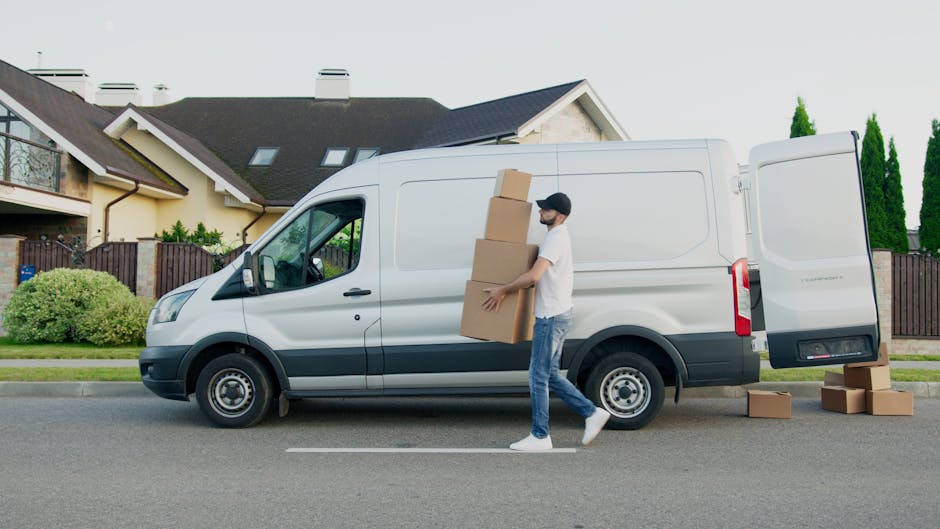
If you are planning a move on or near Sutton High Street, you already know the awkward part is rarely the boxes. It is the access. Tight pavements, parked cars, shared entrances, awkward turn-ins, low ceilings, and the classic "where on earth can the van stop?" moment can turn a straightforward house move into a very long morning. This Sutton High Street house removals narrow access guide is here to make that part less stressful and a lot more manageable.
In practice, a move with narrow access is not just about fitting furniture through a doorway. It is about planning the route, choosing the right vehicle, protecting the property, and making sure the whole day runs without that slow, frustrating drift into delays. Let's face it, nobody wants a removal team standing on the kerb wondering whether the sofa will turn the corner.
Below you will find a clear, practical guide to planning, booking, and completing a move in a restricted-access area around Sutton High Street. If you want broader context on local moving services, you may also find house removals in Sutton and the wider removal services in Sutton overview useful.
Why Sutton High Street house removals narrow access guide Matters
Narrow access changes everything. A standard house removal assumes the vehicle can park reasonably close, the path is clear, and large items can be carried with a sensible amount of turning room. Around Sutton High Street, that assumption can fall apart very quickly. You may have limited loading space, shared entrances, short time windows for parking, or a route that looks simple on a map and then turns out to be far less simple in real life.
That matters because access issues affect time, safety, and cost. If a van cannot get close enough, removers may need to carry items further than expected. If the route involves steps, narrow halls, or tight stair turns, more care is needed. If the parking plan is wrong, the day can run late before the first wardrobe even moves. And once you are on the clock, the minutes can vanish in a very unglamorous way.
Good planning also protects your home. Tight corners and small door frames are where scratches, dents, and chipped paint happen. A proper narrow-access plan reduces the risk of damage to walls, banisters, floors, and the furniture itself. That is especially important for larger household items such as wardrobes, beds, tables, and awkwardly shaped pieces of furniture. If that sounds familiar, the page on furniture removals in Sutton gives a useful sense of how those items are typically handled.
There is also a local reality to think about. High streets are busy. Traffic builds up. Deliveries come and go. Pedestrians move unpredictably, and anyone who has tried to reverse or unload in a narrow space knows it can get tense quite quickly. A calm, well-planned approach is not a luxury here; it is the difference between a controlled move and a messy one.
Expert summary: Narrow access moves are won before moving day. Measure early, plan the vehicle position, simplify what you can, and make sure the removals team knows the exact constraints before they arrive.
How Sutton High Street house removals narrow access guide Works
The process usually starts with an access review. This is not just "can a van get near the address?" It is a wider look at how the move will work from street to room. The best removals teams will want to know where the vehicle can park, whether there are steps or lifts, the width of internal doorways, the height of hallways, and whether there are obstacles like railings, meters, tight corners, or awkward shared entrances.
From there, the move is planned around the most difficult item, not the easiest one. That is the clever bit. If the biggest sofa, mattress, or wardrobe can pass through safely, the rest is usually manageable. If it cannot, the team may need to dismantle items, use specialist protective equipment, or adapt the loading sequence. Sometimes the right answer is simply a smaller vehicle or a man and van approach rather than a full-size removal truck. For comparison, the service pages for man with a van Sutton and removal van Sutton can help you think through those options.
On the day, the team will usually try to create the shortest safe path from property to vehicle. That might mean using extra blankets, edge protectors, trolleys, straps, and floor coverings. If parking is tight, they may unload in stages so the route stays clear. If the road is busy, they may need a second person outside to guide movement and keep everyone safe. Very ordinary things, really, but they make a big difference when space is limited.
It is also common for a narrow-access move to include a "plan B". Perhaps the van cannot stay in one spot for long. Perhaps the stairwell is too tight for a heavy item to be carried upright. Perhaps a piece of furniture has to come out at a tilt, then rotate at the threshold, then be levelled again once outside. Nothing dramatic. Just sensible problem-solving, the kind that prevents unnecessary wobbling and a few colourful words.
Key Benefits and Practical Advantages
The biggest benefit of proper narrow-access planning is simply avoiding avoidable stress. That sounds obvious, but it is worth saying. A move that has been thought through in advance feels calmer on the day. People know where to stand, what is moving first, and which items need extra care.
There are other advantages too:
- Faster loading and unloading: When the route is clear and the vehicle position is planned, the team spends less time walking back and forth.
- Lower risk of damage: Tight spaces are where walls, bannisters, and door frames take the beating if no one has planned ahead.
- Better use of smaller vehicles: On narrow streets, a smaller van or tailored vehicle choice can be a smarter option than forcing the wrong setup.
- Less disruption to neighbours and pedestrians: Good planning keeps the pavement, doorway, and road use more orderly.
- Clearer expectations on price: If access is known upfront, quotes are usually more accurate and less likely to shift unexpectedly.
There is also a quiet emotional benefit. A move is already a big change. If you are leaving a flat, a family home, or a property you have known for years, you do not need access problems adding another layer of chaos. To be fair, moving day often feels like a half-packed box of nerves anyway. A little structure goes a long way.
For people moving from smaller properties or upper floors, the guide is even more useful. Narrow access often appears alongside stairs, shared hallways, limited parking, and time pressure. If that sounds like your situation, have a look at flat removals Sutton and student removals Sutton for related moving patterns and expectations.
Who This Is For and When It Makes Sense
This guide is for anyone moving from a property with limited vehicle access, but it is especially useful if you are on or around Sutton High Street, where parking and loading can be more challenging than people expect at first glance. It is also relevant if you live in a terrace, above a shop, in a converted building, in a block with shared access, or on a road where a large van simply cannot sit outside for long.
You will probably benefit from this approach if:
- you have large furniture that needs careful manoeuvring;
- you are moving on a busy day or tight timetable;
- you have stairs, narrow corridors, or tight turns inside the property;
- you need to protect flooring, walls, or communal areas;
- you are unsure whether a full removal lorry is practical;
- you need help choosing between full removals and a smaller van-based move.
It also makes sense if you simply want fewer surprises. That might sound minor, but surprises are expensive when they happen in the wrong place. A wrong-sized vehicle, a blocked loading space, or an item that does not fit can change the day in seconds.
If you are currently comparing service types, the pages for man and van Sutton and removals Sutton may help you decide what level of support fits your move best. And if you are not moving a full household, but only selected items, that distinction matters quite a bit.
Step-by-Step Guidance
The easiest way to handle a narrow-access move is to think in stages. Don't leave it all to the day itself. That is where things go sideways.
- Survey the access early. Walk the route from the property to the street. Note the tightest corner, the narrowest doorway, and any steps, slopes, or railings. If you can, measure them. A tape measure and ten minutes can save a lot of trouble later.
- Identify the largest awkward items. Sofas, bed frames, wardrobes, mirrors, and desks often decide the plan. If they fit, smaller items are usually fine. If they do not, decide whether dismantling is needed.
- Check parking and stopping options. Know where the vehicle can wait, even temporarily. In busy areas this may change the timing of the move, so it is worth being realistic rather than optimistic.
- Tell the removals team the truth. Not the polished version. The honest version. If the entry is tight, say so. If there is a steep step at the front, mention it. If the lift is small or unreliable, that matters too.
- Choose the right vehicle size. Sometimes a smaller van is the smart choice. Sometimes a larger vehicle works if the route is manageable. The best option depends on furniture size, street access, and loading distance.
- Prepare the property. Clear hallways, remove trip hazards, and keep pets and children away from the route. If possible, protect corners and vulnerable floors.
- Pack in the right order. Keep essentials separate and label boxes clearly. Do not bury the kettle under five boxes of books unless you enjoy the sound of a half-ripened breakfast plan.
- Use loading discipline. Heavy items first, fragile items secure, light items filled into gaps. The van should move like a puzzle that actually fits together.
A small but useful point: narrow access often works better when the move is simplified. If you have items you do not need immediately, consider whether they should go into storage instead of taking up scarce room in the vehicle. The storage Sutton page is relevant if your move needs a bit of breathing room.
Expert Tips for Better Results
Experience tells you a few things that do not always make it into the glossy moving checklist. First, do a dry run with your biggest item if you can. Even a quick visual check through the hallway can reveal problems you would otherwise only discover with two people, one sofa, and a growing silence.
Second, use protection earlier than you think. A doorway looks fine until a heavy bed frame clips it. Floor runners, blankets, and corner protection are not overkill in narrow spaces. They are insurance against small, annoying damage.
Third, keep the loading sequence simple. When access is restricted, you want fewer backtracks, fewer pauses, and fewer people crossing paths. A clean route from front door to van makes the whole thing feel calmer. The morning air, the rumble of traffic, and the scrape of a trolley wheel on pavement all become part of the rhythm, and it works best when the rhythm is steady.
Fourth, avoid overpacking boxes. Heavy boxes are harder to carry through tight routes and more likely to be dropped or jolted. It is better to have one extra box than one impossible box. Truth be told, books are the usual culprit there.
Fifth, be realistic about timing. A narrow-access move can take longer than a normal one even when everything goes right. Build in a bit of slack. Not a dramatic amount. Just enough to absorb the unexpected.
Finally, use a removals provider that understands local access quirks. Someone who regularly handles moves in Sutton is likely to be better at reading the street, the property layout, and the practical limits of loading. If you want a sense of how a local team presents that broader support, the services overview and about us pages are worth a look.
Common Mistakes to Avoid
Most narrow-access problems are avoidable. The tricky bit is knowing which mistakes matter before moving day. Here are the ones that come up again and again.
- Assuming the van will "just fit". This is the classic one. Streets can look wider in daylight than they actually are when a van is there.
- Forgetting internal access. People focus on the road and forget the staircase, hallway, or doorway inside the building is the real bottleneck.
- Leaving parking too late. If there is no clear stopping plan, the move can stall before it starts.
- Not mentioning dismantling needs. If a bed frame or wardrobe needs to come apart, the removals team should know in advance.
- Overloading boxes. Heavy boxes are awkward in narrow spaces and more tiring for everyone involved.
- Ignoring shared spaces. Communal hallways and entrances need care. Nobody wants to damage a neighbour's wall on the way out.
- Choosing the wrong service type. Sometimes a full house move is unnecessary. Sometimes a small van is not enough. Matching the service to the access is the real trick.
A subtle mistake is under-communicating. People tend to say "it's a bit tight" when the access is actually very tight indeed. Be specific. A narrow doorway is not the same as a slightly awkward doorway. That distinction matters.
Tools, Resources and Recommendations
You do not need a van full of specialist kit to manage a narrow-access move well, but a few tools make life much easier. A tape measure is the obvious one. A floor plan sketch helps too, even if it is a rough one. Nothing fancy. A basic note with doorway widths, stair turns, and the best parking side of the street can be enough to prevent confusion.
Useful items and preparation helpers include:
- Furniture blankets and padding for corners, frames, and fragile surfaces;
- Stretch wrap or straps to keep drawers shut and parts together;
- Labels and marker pens so boxes are easier to place quickly;
- Clear pathways so the team is not navigating shoes, coats, bags, and random clutter;
- A small toolkit for beds, tables, and flat-pack furniture;
- Strong boxes that do not collapse under pressure mid-carry.
If you are still deciding whether to combine packing and moving support, the page on packing and boxes Sutton can help with the practical side of preparation. It is often the difference between a tidy, controlled move and a morning full of unfinished tape jobs.
And if you need to balance convenience with budget, start with the pricing information rather than guessing. A good quote should reflect access, item volume, and the level of assistance needed. You can explore pricing and quotes before you decide how much support makes sense.
Law, Compliance, Standards, or Best Practice
Narrow-access moves are not usually about obscure legal rules, but there are still standards and responsibilities worth taking seriously. In the UK, movers and property occupiers are expected to act safely and reasonably around access routes, parking, and communal areas. That means thinking about pedestrian safety, avoiding obstruction, and preventing damage to the property or neighbouring spaces.
From a practical standpoint, the best practice is straightforward. Do not block emergency routes. Do not leave items in a way that creates a trip hazard. Be careful with stairs, wet weather, and poorly lit entrances. If the road is busy, extra attention is needed when loading or unloading near passing traffic. Common sense, really, but common sense becomes more valuable when everyone is in a hurry.
It is also wise to check the moving company's approach to insurance, safety, and handling procedures. If something awkward happens - a scratched wall, a damaged item, a slipped box - you want to know the team operates with a clear process. The page on insurance and safety is especially relevant here, as is the health and safety policy. Those pages help set expectations before the van arrives outside your door.
If you are disposing of unwanted items, responsible handling matters too. A move is a good moment to avoid unnecessary waste. The recycling and sustainability information is a useful reminder that not everything needs to make the full trip to the new place.
Options, Methods, or Comparison Table
When access is tight, the question is not just "how do we move?" It is "which method fits the property best?" Here is a simple comparison to help you think it through.
| Method | Best for | Strengths | Limitations |
|---|---|---|---|
| Full house removals | Larger moves with manageable access | More capacity, usually smoother for many items | May be harder to park or position in narrow streets |
| Man and van | Smaller homes, partial loads, awkward access | Flexible, easier to position, often practical on busy roads | Less capacity, may need more trips or tighter planning |
| Removal van with helpers | Medium moves where access is limited but not extreme | Good balance of carrying support and vehicle flexibility | Still depends on road space and item size |
| Storage-first move | Staged moves or downsizing | Reduces pressure on moving day, gives more room to sort | Requires extra handling and short-term planning |
Which one is right? It depends on the property and the furniture, not the label on the service. A sleek-seeming option is not always the best fit. Sometimes the smartest choice is the one that looks a bit less dramatic on paper but works better in the real world.
If you are weighing up different service levels, a quick read of removal companies in Sutton can help you understand how providers position these options, while removal van Sutton is handy if you need something practical and accessible rather than oversized.
Case Study or Real-World Example
Here is a realistic example. A couple moving from a first-floor property near Sutton High Street had a sofa, a bed, a dining table, and around thirty boxes. The property entrance was narrow, the stairs turned sharply at the middle landing, and parking outside was only available for short windows. Nothing dramatic, but enough to make the day annoying if the team had turned up unprepared.
They measured the sofa depth and the stair width the week before. That revealed the sofa would not turn upright without risking the wall corner. So the team dismantled the sofa base, wrapped the legs separately, and used extra blankets on the stair edge. The van was positioned as close as possible, but not directly in the centre of the busiest stretch. Boxes were loaded first to keep the corridor clear, then the largest items came through one at a time.
The move still took longer than a wide-open suburban driveway would have. Of course it did. But it stayed controlled, there was no wall damage, and nobody had to panic about a sofa wedged halfway down a stairwell. Small victory? Maybe. But on moving day, small victories count.
That is the real lesson here. Narrow access does not have to be a disaster. It just needs thought, honest communication, and the right level of support.
Practical Checklist
Use this checklist before moving day. It is simple, but it catches most of the problems that cause delays.
- Measure the front door, hallway turns, stair width, and any lift dimensions.
- Check where the van can legally and safely stop.
- List every large or awkward item that may need dismantling.
- Tell the removals team about steps, tight corners, low ceilings, or shared access.
- Clear hallways, entrances, and the path to the vehicle.
- Protect floors, corners, and vulnerable wall areas.
- Pack heavy items into smaller boxes.
- Keep essential items separate and easy to reach.
- Decide whether you need storage for items that do not fit the new plan.
- Confirm the move date, access notes, and any parking restrictions.
- Check the provider's safety, insurance, and terms information.
- Leave a little extra time. Just a bit. Enough to breathe.
If you are moving a full household and want a more complete service package, the page on house removals Sutton may be a useful final checkpoint before you book.
Conclusion
Narrow access on Sutton High Street does not make a move impossible. It just means the job needs a more careful plan. Measure early, be honest about the constraints, choose the right vehicle, and make sure the path from property to van is as clear as it can be. That is usually enough to turn a stressful move into a workable one.
If you take one thing from this guide, let it be this: access is part of the move, not an afterthought. Once you treat it that way, the whole process gets easier to manage. A bit calmer. A bit cleaner. A lot less chaotic.
Get a free quote today and see how much you can save.
For a team that understands local access challenges and can help you plan the practical side properly, start with the main Sutton removals service and build from there. A good move rarely feels flashy. It just feels steady, and that is exactly what you want.